
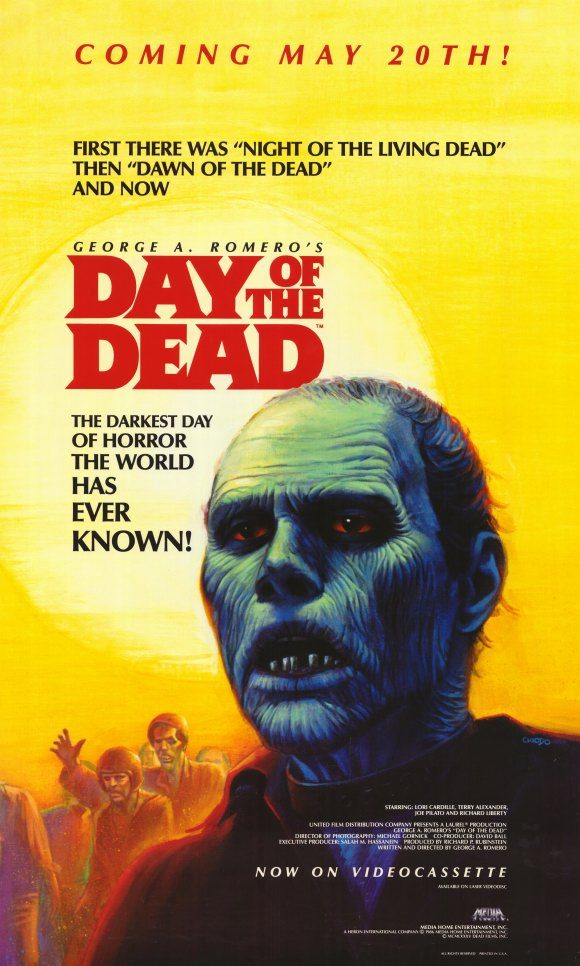
Day Of The Dead Store: Movie Secrets Behind the Iconic Set
When the lights dim and the camera rolls, the magic of a film set often hides in plain sight. One of the most intriguing examples is the Day Of The Dead Store set, a location that has become a legend among horror enthusiasts. From its gritty corridors to its subtle nods to classic folklore, this set holds secrets that many fans never notice. In this post, we’ll peel back the layers and explore the movie secrets behind this iconic backdrop, revealing how art direction, hidden symbols, and clever design combine to create an unforgettable cinematic experience.
Crafting the Vision: From Concept to Reality
The first step in bringing the Day Of The Dead Store to life was a clear artistic vision. The production designer studied traditional Mexican Día de los Muertos celebrations, drawing inspiration from sugar skull motifs and vibrant altars. They translated these elements into a storefront that felt both authentic and otherworldly. By layering weathered paint, cracked tiles, and dim lighting, the set evoked a sense of decay while honoring cultural symbolism. Every prop, from the wilted marigolds to the flickering candles, was placed with intention. This meticulous planning ensured that the set would feel lived‑in and immersive, drawing viewers deeper into the story.
Hidden Details and Easter Eggs
While the overall atmosphere captivates audiences, the set is littered with subtle Easter eggs for sharp eyes. Look closely at the sidewall, where a tiny photograph of a vintage movie poster hangs—a nod to the director’s early work. In the cash register drawer, an old lottery ticket bears the same numbers as a key plot device later in the film. Even the signage above the door, patterned in sugar‑skull designs, contains a hidden phrase in Spanish that translates to “remember the forgotten.” These details reward repeat viewings and invite fans to discuss theories, turning the set into a puzzle box of storytelling.
The Role of the Day Of The Dead Store in Production
The Day Of The Dead Store served more than just a backdrop; it became a character in its own right. Its layout guided actor movement, creating natural choke points for tension. The narrow aisles forced close‑ups, while the back room’s low ceiling intensified claustrophobic moments. Lighting designers used the store’s reflective surfaces to craft dramatic shadows, shaping the mood without relying heavily on post‑production effects. Moreover, the set’s modular design allowed quick reconfiguration for different scenes, saving time and budget while preserving visual continuity throughout the film.
Legacy and Fan Experience
Since its debut, the Day Of The Dead Store has transcended the screen to become a pilgrimage site for fans. Tours now offer behind‑the‑scenes looks, letting visitors walk the same aisles and discover the hidden details first‑hand. Merchandise inspired by the set—t-shirts, posters, and even replica candles—helps keep the magic alive. Social media buzz continues to grow as new generations uncover secrets and share their interpretations. This lasting engagement demonstrates how a well‑crafted set can leave an indelible mark on popular culture, turning a movie location into a legend.
Conclusion: The Art of Secret Storytelling
The Day Of The Dead Store reminds us that the most compelling movie moments often arise from the details hidden in plain sight. By weaving cultural symbolism, thoughtful design, and subtle clues into a single location, the filmmakers created a space that both supports the narrative and invites audience participation. As fans continue to explore its secrets, the set proves that great storytelling lives beyond dialogue—it thrives in every texture, shadow, and carefully placed prop. The next time you watch a horror film, pause and look around; you might just discover the next iconic secret waiting to be uncovered.