
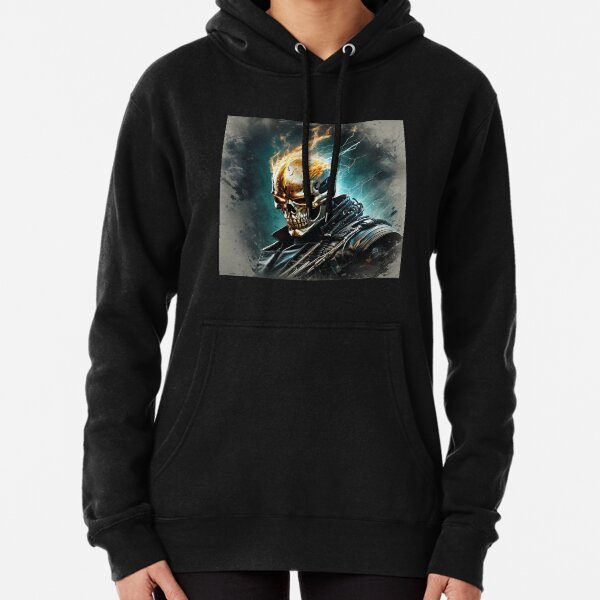
Ghost Rider Store Reveal: Film’s Best Hidden Easter Eggs
When the latest Ghost Rider film dropped a surprise online, fans flooded the internet with speculation about hidden details. Among the most talked‑about revelations was the mysterious Ghost Rider Store that appears in a fleeting background shot. This seemingly innocuous storefront holds a trove of Easter eggs that tie the movie to comic lore, previous adaptations, and even future plot hints. If you’re a die‑hard fan or just love spotting clever nods, dive into this roundup of the film’s best concealed gems.
Ghost Rider Store: A Portal to Comic Origins
One of the first clues hidden in the Ghost Rider Store is a vintage comic cover tucked behind the glass display. The artwork is a rare variant of the original 1975 issue that introduced Johnny Blaze. By placing it in the store, the filmmakers paid homage to the character’s roots, reminding longtime readers where the fiery legend began. This subtle detail also serves as a visual cue for new viewers to explore the source material, bridging the gap between page and screen.
References to Past Cinematic Versions
Sharp-eyed fans noticed that the store’s marquee flickers with the number “79,” a nod to the 1979 television series where Ghost Rider first appeared on screen. Additionally, a cracked bottle on the counter bears the label “Stark,” echoing the mischievous character who assisted the original Ghost Rider in several comic arcs. These Easter eggs link the current movie to its predecessors, rewarding viewers who have followed the character’s evolution across media.
Foreshadowing Future Storylines
Beyond nostalgic callbacks, the Ghost Rider Store subtly hints at upcoming plot twists. A discreet poster advertising a “Hellfire Festival” appears in the background, suggesting a larger supernatural event that could play a pivotal role later in the franchise. Moreover, a hidden barcode on the cash register matches the identifier of a secret organization introduced in a recent comic crossover, implying that the store might be a covert hub for otherworldly dealings.
Interactive Elements for the Audience
While not a traditional Easter egg, the Ghost Rider Store’s design encourages social media interaction. Its distinctive neon sign flashes in a pattern that, when decoded, spells out a cryptic phrase related to the film’s central mystery. Fans quickly shared their discoveries online, sparking a wave of user‑generated content and theories. This clever integration transforms a simple set piece into an engaging puzzle, deepening audience involvement long after the credits roll.
Conclusion: The Power of Subtle Storytelling
The Ghost Rider Store serves as a masterclass in embedding meaningful details without distracting from the main narrative. By weaving together comic references, cinematic homages, and hints at future arcs, the filmmakers created a layered experience that rewards both casual viewers and dedicated enthusiasts. These hidden Easter eggs demonstrate how thoughtful set design can enrich storytelling, turning a fleeting glimpse into a lasting conversation among fans.