
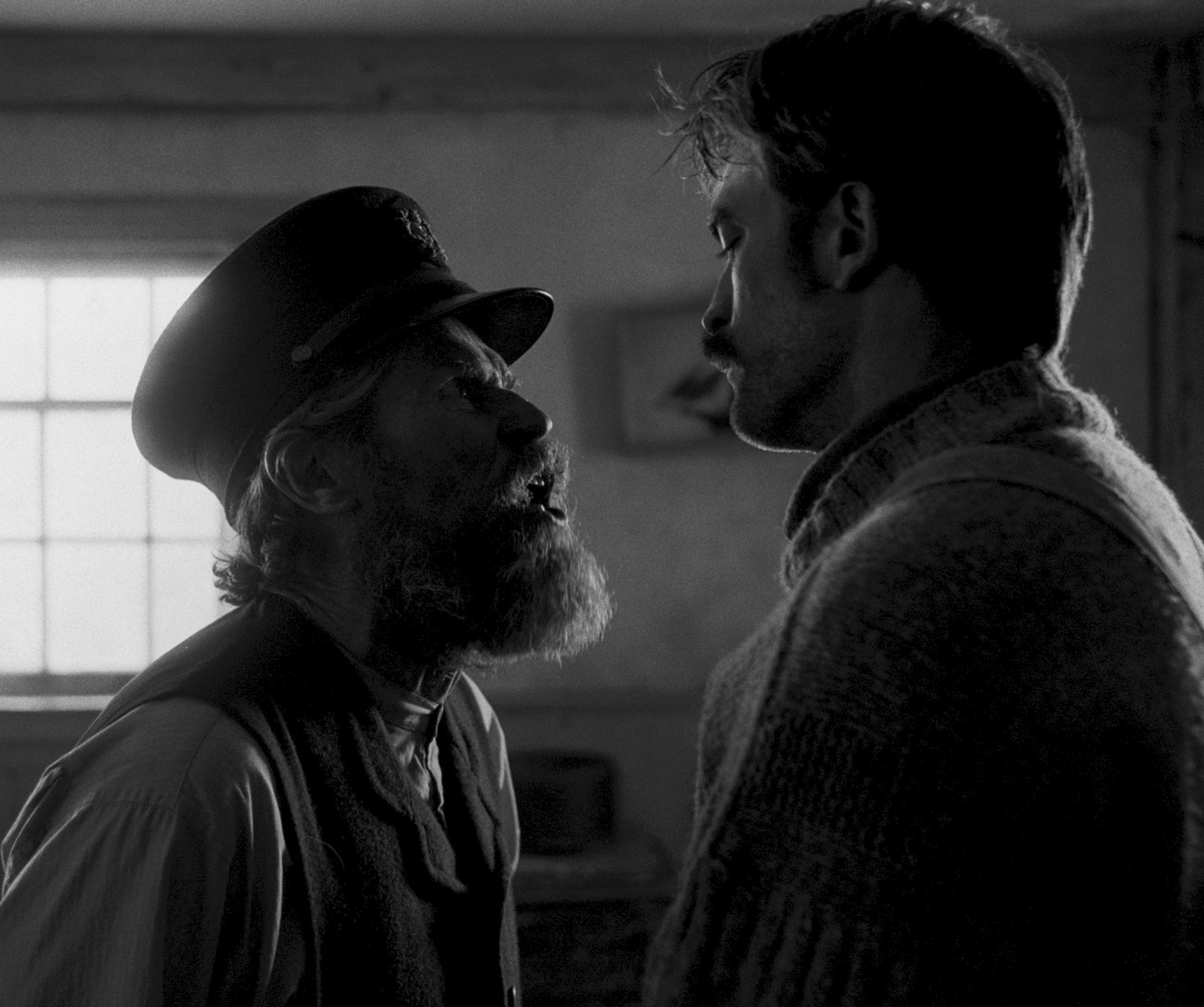
Is The Lighthouse Store the Next Cult Classic? A Film Review
When a small indie film bursts onto the festival circuit with a haunting atmosphere and a uniquely quirky premise, rumors of its future status begin to swirl. The Lighthouse Store, a low‑budget yet visually striking narrative, has been sparking conversation among cinephiles and critics alike. Its blend of surreal storytelling, off‑beat humor, and a meticulously crafted setting has many wondering: could this sleeper hit become the next cult classic? In this review we’ll explore the film’s strengths, its potential cultural impact, and why it might soon join the ranks of beloved cult favorites.
The Premise and Visual Style
The Lighthouse Store tells the story of a remote coastal shop that seems to appear out of nowhere, drawing in travelers who each carry a secret. Director Maya Delgado uses a muted color palette—stormy grays, cold blues, and occasional bursts of rust—to evoke an otherworldly mood. The cinematography is deliberately composed, often framing characters against the vast, unforgiving sea, reinforcing a sense of isolation. This visual approach feels both nostalgic and fresh, reminiscent of classic genre pieces while maintaining a contemporary edge. The careful attention to set design—ranched wood, weathered lanterns, and the ever‑present lighthouse beacon—creates an immersive world that feels authentic despite the film’s modest budget.
Performances and Direction
At the heart of The Lighthouse Store are its ensemble cast, led by newcomer Ethan Hayes, whose portrayal of a weary keeper balances melancholy with subtle humor. Hayes draws the audience into the mystery without resorting to melodrama, letting the script’s quiet moments speak for themselves. Supporting actress Aisha Patel delivers a standout performance as a wandering poet, adding layers of lyrical introspection. Delgado’s direction shines in how she allows the actors to inhabit their roles organically, often using long takes that let emotions unfold naturally. This restraint gives the film a rhythmic pace that mirrors the ebb and flow of waves, reinforcing the thematic undercurrents of longing and redemption.
Themes and Cultural Resonance
Beyond its striking visuals and performances, The Lighthouse Store delves into themes that resonate with today’s audiences: isolation, the search for meaning, and the idea that ordinary places can harbor extraordinary stories. By placing its characters in a liminal space—a shop that exists between reality and myth—the film invites viewers to contemplate the thin line between the mundane and the magical. This exploration, coupled with subtle social commentary on community and belonging, gives the film depth that encourages repeated viewings. Its dialogue, filled with cryptic yet relatable lines, encourages fans to quote and dissect scenes, a hallmark of many cult classics in the making.
Is It a Cult Classic in the Making?
So, does The Lighthouse Store have the ingredients to become a cult phenomenon? Its distinctive aesthetic, memorable characters, and thought‑provoking narrative all point toward a lasting appeal. The film’s modest release strategy—limited theatrical runs followed by streaming—mirrors the path of many beloved cult titles, allowing word‑of‑mouth to spread organically. Early fan communities have already begun creating memes, fan art, and discussion threads that celebrate the movie’s quirks. As more audiences discover its hidden depths, the film’s reputation is likely to grow, cementing its place as a future cult classic that stands out in the indie landscape.