
La Haine Shop: The Film That Redefined Urban Cinema
When the gritty streets of Paris burst onto the screen in 1995, a new voice shouted from the shadows of urban cinema. La Haine Shop captured raw tension, youthful fury, and the uneasy pulse of a city on the brink. The film didn’t just tell a story; it redefined how audiences see the world of street life, police conflict, and the dreams of marginalized youth. Its impact still reverberates through modern filmmaking, influencing directors worldwide. If you’re curious about the power of cinema to mirror society, this is the film you need to explore.
La Haine Shop: A Milestone in Urban Cinema
From the opening black-and-white shots to the final explosive climax, the film grips you with its relentless energy. Director Mathieu Kassovitz used stark visuals and tight close-ups to place viewers in the shoes of three friends battling societal neglect. The camera never shies away from the tension, making every breath feel urgent. By blending documentary-style realism with dramatic storytelling, the movie set a new benchmark for authenticity in urban narratives.
The Social Commentary That Still Resonates
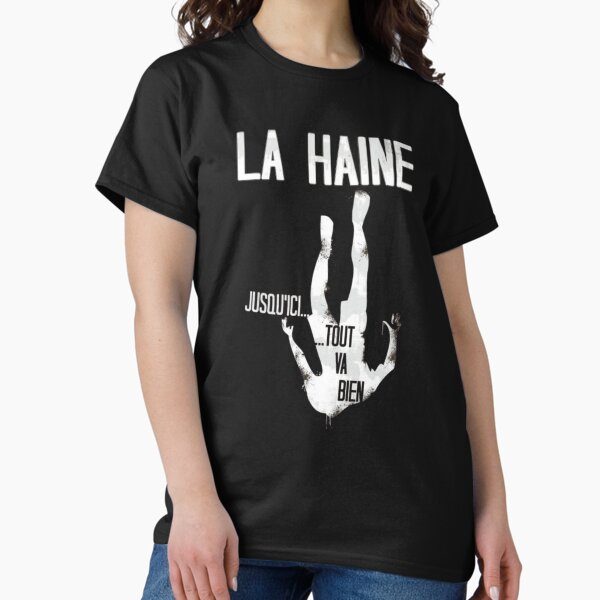
At its core, La Haine Shop is more than a crime drama; it’s a sharp critique of systemic injustice. The protagonists grapple with police brutality, unemployment, and the desperate search for identity. The film’s iconic line, “jusqu'ici tout va bien,” echoes the fragile peace in volatile neighborhoods. Decades later, its themes remain relevant, echoing current debates about police reform and social inequality. Viewers find that the story’s raw honesty still strikes a chord, reminding us that the issues it raises have not vanished.
Innovative Filmmaking Techniques
Kassovitz’s approach to storytelling broke conventional rules. He shot the entire film in a 16:9 aspect ratio, a bold choice for the mid‑90s that gave the city a broader, more oppressive feel. The use of handheld cameras added a documentary texture, while the limited color palette intensified the mood. Each scene flows seamlessly, creating a sense of continuous tension that mirrors the characters’ lived reality. These techniques have inspired countless directors to experiment with style and form in urban cinema.
Legacy and Influence on Modern Media
Since its debut, La Haine Shop has become a cultural reference point for filmmakers tackling urban stories. Its influence can be seen in Hollywood blockbusters, indie productions, and even music videos that aim for gritty realism. The film’s soundtrack, featuring French hip‑hop legends, set a precedent for integrating contemporary music to deepen narrative impact. By shaping the language of street cinema, it paved the way for new voices to emerge, ensuring that the conversation about urban life continues to evolve.
Conclusion: Why La Haine Shop Remains Essential Viewing
More than two decades later, the film’s raw energy and stark honesty still captivate audiences. La Haine Shop stands as a testament to the power of cinema to reflect societal tension and spark dialogue. Its blend of compelling characters, daring visuals, and relentless social critique creates an unforgettable experience. Whether you’re a film enthusiast or someone interested in urban culture, watching this masterpiece offers insight into the complexities of modern city life. Dive into its world, and you’ll understand why it remains a cornerstone of urban cinema.