
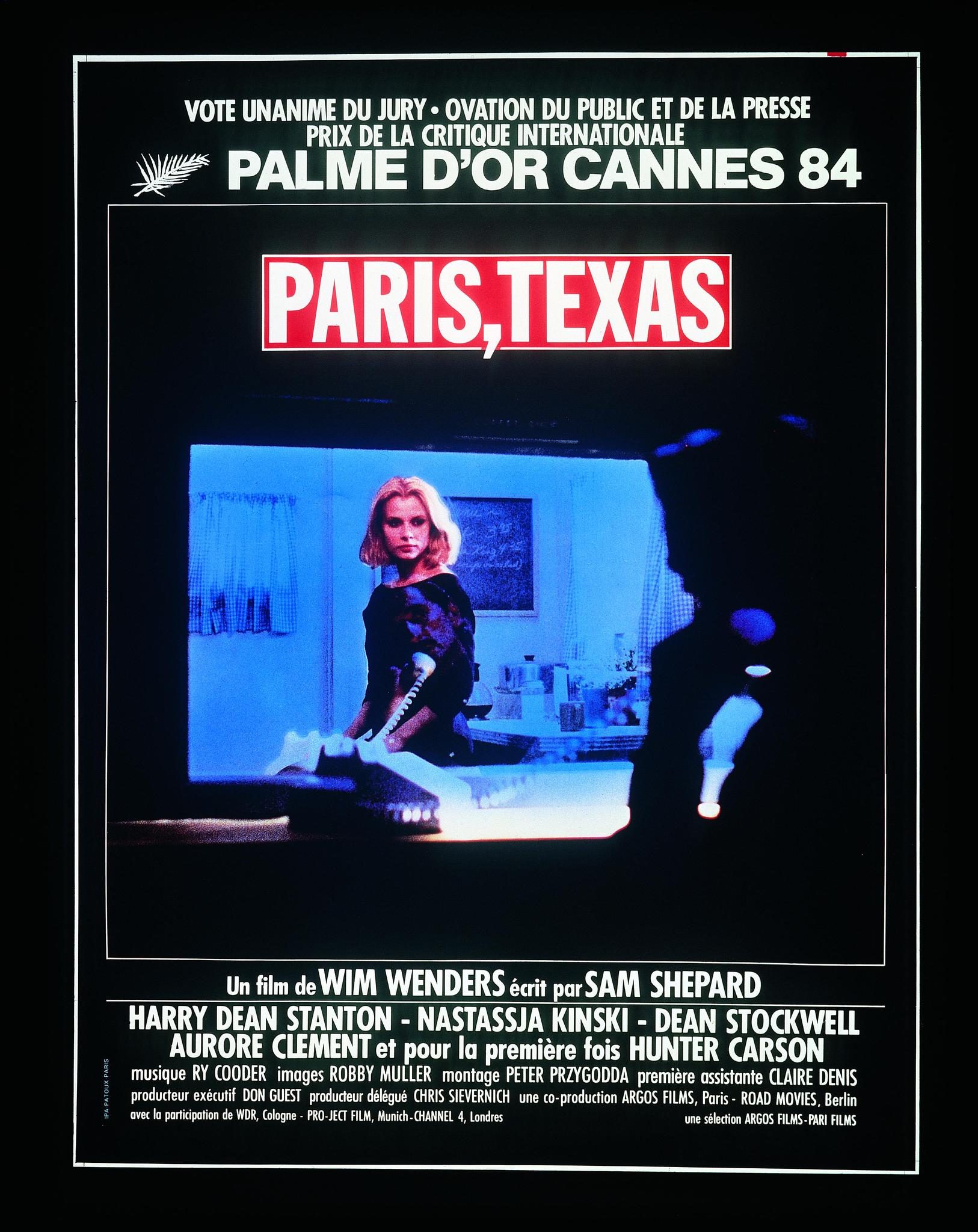
Paris, Texas Store Secrets: Inside the Film's Iconic Setting
When the 1984 road‑movie masterpiece *Paris, Texas* hit theaters, audiences were instantly drawn to its haunting desert vistas and the enigmatic emptiness of a lone gas station. That setting, a modest yet unforgettable Paris, Texas Store, has become a pilgrimage spot for cinephiles and wanderers alike. Behind its weathered windows lies a story of careful set design, hidden details, and a legacy that still shapes how we experience the film today. In this post, we peel back the layers of secrecy, exploring the real location, the artistic choices that made it iconic, and the quiet impact it continues to have on fans worldwide.
The Real Location Behind the Film’s Mythic Store
The Paris, Texas Store that appears in the film is not a Hollywood façade but an actual building that once stood on Highway 84 near the small town of Panorama, Texas. Originally a family‑run general store serving locals and travelers, its low‑slung roof and cracked neon sign made it an ideal backdrop for director Wim Wenders’ vision of isolation. After the shoot, the property changed hands several times, and the original structure was eventually demolished. However, a replica now stands on a private lot, preserving the silhouette that fans so readily recognize.
Set Design Secrets: How the Store Became a Character
Wim Wenders and cinematographer Robby Müller treated the Paris, Texas Store not just as a backdrop, but as a silent narrator. Every prop was chosen to reflect desolation and yearning. The empty soda aisle, the tarnished coffee pot, and the faded advertisements all speak to a quiet, almost forgotten America. Even the dust swirling on the cracked concrete was meticulously staged, using a combination of natural wind and subtle fan work. These details give the store a palpable presence that mirrors the film’s themes of loss and redemption.
Iconic Moments Captured Inside the Store
One of the most memorable scenes occurs when Travis (Harry Dean Stanton) walks into the Paris, Texas Store, looking for a “pump‑in‑the‑well” conversation. The camera lingers on the reflection of his tired face in the storefront glass, highlighting both his inner turmoil and the stark emptiness of the surrounding landscape. Later, the reunion between Travis and his son takes place just beyond the store’s shadow, using the building’s looming silhouette as a visual metaphor for the obstacles between them. These moments have been dissected by scholars for years, proving how a simple store can carry profound emotional weight.
Preserving the Legacy: Tours, Memorabilia, and Fan Tributes
Even though the original structure no longer exists, fans flock to the replica site each year, eager to snap photos and soak in the atmosphere that inspired so many cinematic discussions. Local businesses have capitalized on this interest by offering guided tours that include behind‑the‑scenes anecdotes, original props, and even reproductions of the famous neon sign. Additionally, collectors worldwide trade memorabilia such as vintage postcards, replica soda cans, and limited‑edition prints of the store’s iconic façade. The enduring fascination with the Paris, Texas Store underscores the film’s lasting resonance and the power of place in storytelling.
From its humble beginnings as a roadside shop to its elevation as a cultural landmark, the Paris, Texas Store continues to captivate both seasoned film buffs and new viewers discovering the movie for the first time. Its secrets—whether hidden in set design choices or preserved through fan devotion—invite us to reflect on how ordinary spaces can become extraordinary when filmic poetry breathes life into them. As long as the desert winds keep blowing, the store’s silent story will remain a beacon for anyone chasing the open road.