
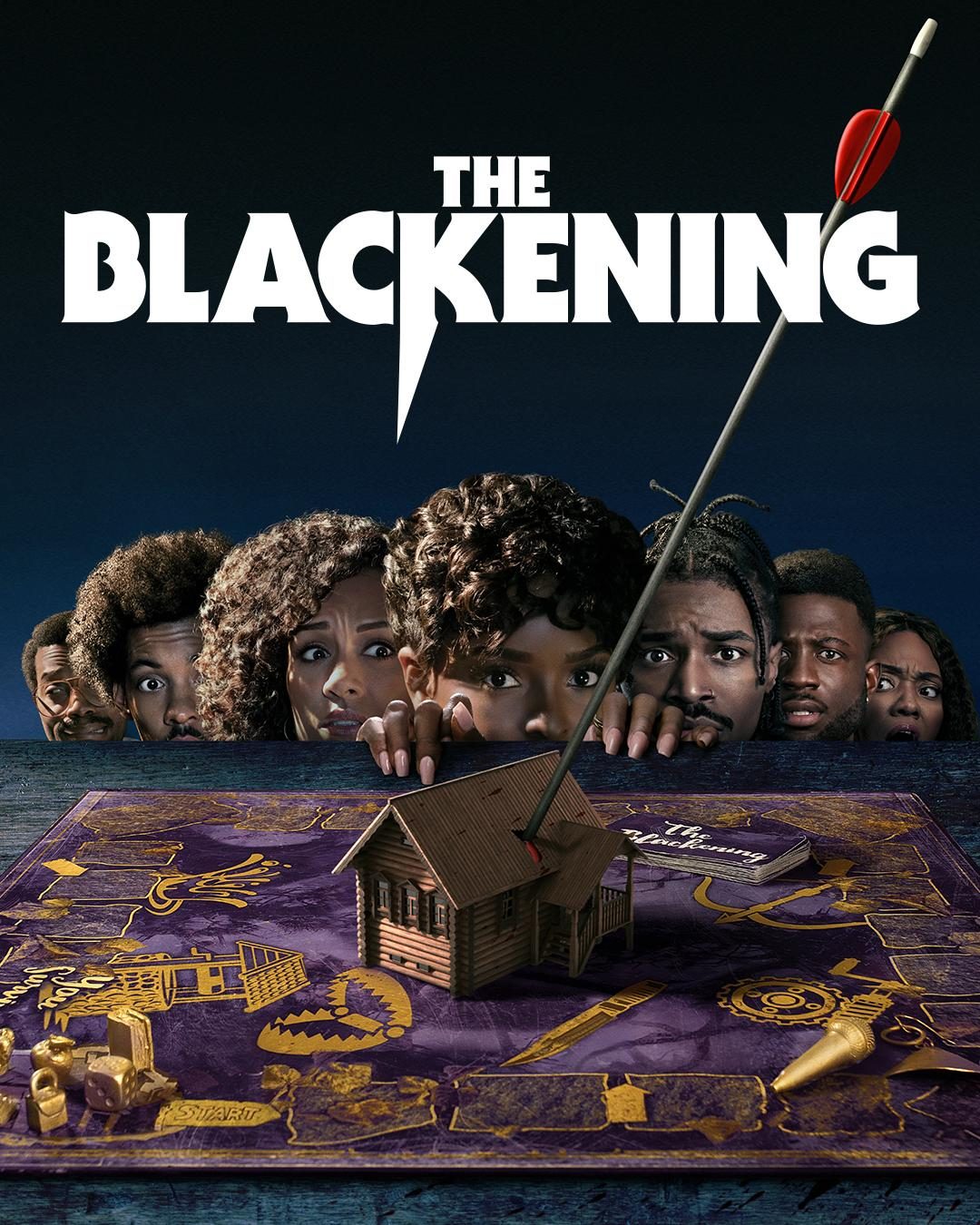
The Blackening Shop Movie: 5 Moments That Redefine Horror
The Blackening Shop has taken horror fans by storm, delivering a fresh blend of dread and surprise that few movies achieve. From the opening scene to the final reveal, the film shifts the genre’s expectations and forces viewers to confront fear in new ways. If you thought you knew what horror could be, these five unforgettable moments will prove otherwise.
The Blackening Shop: A Nightmarish Beginning
The film opens with a seemingly innocent shopfront bathed in flickering neon. As night falls, the lights dim and a haunting whisper cuts through the silence. The camera lingers on the cracked windows, inviting the audience to peer inside. Within minutes, a sudden, blood‑soaked splash erupts, turning a simple storefront into a portal of terror. This opening set piece redefines horror by turning everyday familiarity into a source of dread.
What makes this moment stand out is its restraint. Rather than relying on cheap jump scares, the director builds tension through atmosphere. The audience feels the weight of the dark unknown before any monster appears. This subtle terror instantly hooks viewers, making them question every shadow they see.
Shadowed Mirrors: A Visual Shock
Mid‑movie, a hallway lined with antique mirrors becomes a playground for fear. Characters glance at their reflections, only to see distorted, grotesque versions of themselves. The mirrors crack in time with a low, resonant hum, echoing the characters’ inner panic. The visual effect is both beautiful and terrifying, reminding viewers that horror can be art.
The brilliance of this scene lies in its symbolism. Mirrors traditionally represent self‑knowledge, yet here they become a gateway to an alternate nightmare. As the camera pans, the reflections seem to move independently, suggesting an unseen force. This moment redefines horror by using visual storytelling to amplify psychological terror.
The Creeping Silence: Sound Design Mastery
Just when the audience expects a roar, the film plunges into an unsettling silence. The absence of sound is broken only by distant, faint breathing and the creak of floorboards. This auditory void heightens every small movement, making the slightest whisper feel like a scream. The sound design forces viewers to listen closely, turning the lack of noise into a weapon.
By stripping away the typical soundtrack, the director amplifies the characters’ isolation. The silence becomes a character itself, pressing against the audience’s nerves. This moment showcases how horror can thrive without gore, relying on what’s left unsaid and unheard.
Final Twist: Redefining Horror Endings
The climax arrives with a revelation that flips the entire narrative. The shop is not merely a location but a living entity feeding on fear itself. The protagonist discovers a hidden journal exposing the shop’s ancient pact with darkness. As the truth unfolds, the audience realizes that every terror witnessed was orchestrated by the shop’s will.
This twist does more than surprise—it reshapes the film’s entire mythology. It invites viewers to re‑watch the movie, spotting clues they missed. By turning the setting into a sentient antagonist, The Blackening Shop changes the rules of horror storytelling, proving that location can be as monstrous as any creature.
These five moments demonstrate why The Blackening Shop stands apart in modern horror. From its atmospheric opening to its mind‑bending conclusion, the film pushes the genre forward, reminding us that fear is most powerful when it evolves. If you crave a horror experience that challenges expectations, this movie is a must‑watch.