
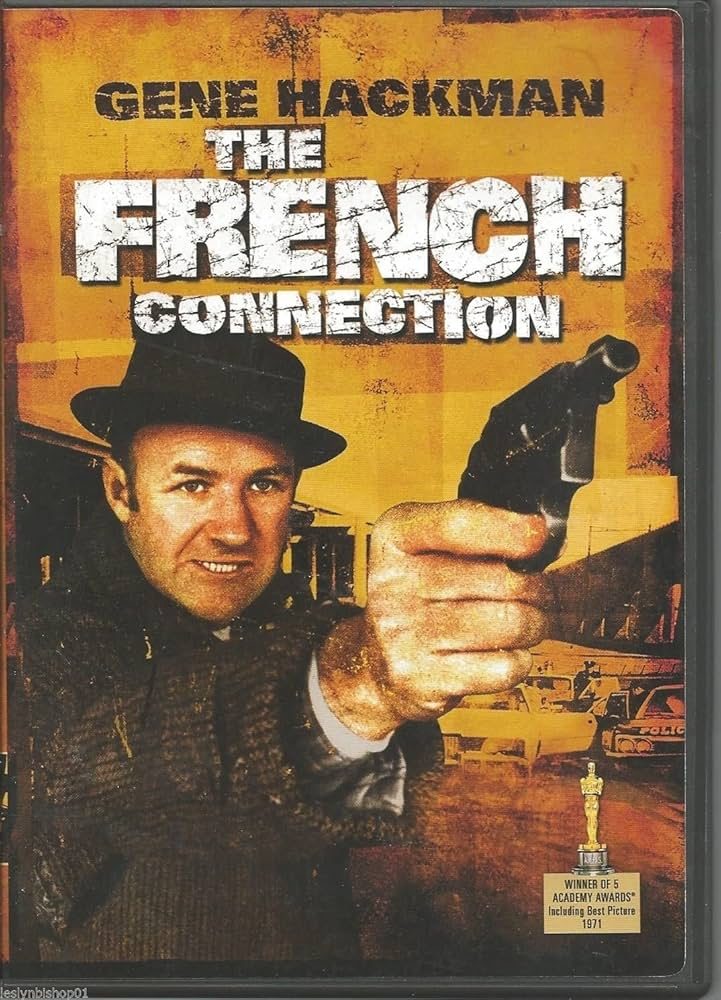
The French Connection Store: Film’s Hidden Crime Lair
When you think of iconic crime movies, the gritty streets of 1970s New York often come to mind, but few viewers realize that one of the most memorable backdrops was not a bustling market or a smoky bar—it was a seemingly ordinary storefront that housed a secret world of deception and danger. The French Connection Store, featured in the legendary film "The French Connection," served as a hidden crime lair that added an authentic, unsettling edge to the chase. In this post, we’ll uncover how this modest shop became a pivotal piece of cinema history, explore its real‑life origins, and discover why it still captivates fans decades later.
The French Connection Store: From Real‑Life Salon to On‑Screen Hideout
Located on a quiet corner of Manhattan’s Lower East Side, the real establishment was originally a small boutique that sold imported European goods. In the early 1970s, the owners unwittingly found themselves entangled with a network of smugglers who used the store’s backroom as a drop point for narcotics. When director William Friedkin scouted locations for his gritty adaptation of Robin Moore’s novel, he was drawn to the shop’s unassuming façade, which perfectly matched the film’s tone of lurking danger beneath everyday life.
The decision to film inside the actual storefront added a layer of realism that studio sets simply could not replicate. The crew preserved the original wooden shelves, faded signage, and even a few dust‑covered crates, allowing the camera to capture the authentic atmosphere that audiences would later associate with the film’s high‑octane chase scenes.
Cinematic Role: How the Store Amplified the Film’s Tension
In "The French Connection," the store appears during a daring police operation where Detective “Jimmy” Coke, played by Gene Hackman, discovers a hidden stash of heroin. The cramped interior and dim lighting force the characters into close‑quarter confrontations, heightening suspense with every step. By using the real location, Friedkin was able to stage a sequence that felt both claustrophobic and urgent, mirroring the gritty reality of street‑level detective work.
The store’s layout—tight aisles, a single backdoor, and a concealed basement—created natural choke points that the director turned into visual storytelling tools. Each shadowed corner became a potential threat, and the audience could feel the tension building as the detectives inched closer to the truth.
Behind the Scenes: Secrets That Remain Hidden
Production documents reveal that the crew faced several challenges while filming inside The French Connection Store. The building’s aging electrical system caused intermittent flickering lights, which the cinematographer cleverly used to intensify the mood. Additionally, the owners demanded that the shop’s original merchandise remain untouched, leading the crew to improvise props that blended seamlessly with the existing inventory.
One lesser‑known anecdote involves a hidden compartment discovered during set construction. The crew uncovered a small, false bottom in one of the wooden crates—a relic from the store’s illicit past. Rather than remove it, Friedkin incorporated the compartment into the story, giving the audience a genuine glimpse into the very mechanisms that real smugglers employed.
Legacy and Tourist Appeal: Visiting the Iconic Crime Lair Today
Decades after its cinematic debut, The French Connection Store has transformed into a pilgrimage site for film enthusiasts and true‑crime aficionados alike. Although the original shop no longer operates as a retail space, its façade has been preserved, and a modest plaque marks its significance in movie history. Guided tours of Manhattan’s historic neighborhoods often include a stop here, allowing visitors to stand where Gene Hackman’s character once confronted a criminal empire.
The store’s enduring appeal lies in its stark reminder that ordinary places can hide extraordinary stories. By maintaining the original exterior, the city honors a piece of cinematic heritage while also reminding us of the real‑world issues that inspired the film. Fans leave with a deeper appreciation for how a simple storefront can become a symbol of both danger and daring.
From its unsuspecting origins to its lasting imprint on popular culture, The French Connection Store demonstrates how a modest location can become an iconic element of a classic film. Whether you’re a cinephile, a history buff, or simply curious about the crossroads of real crime and Hollywood storytelling, this hidden lair offers a compelling glimpse into the world that shaped one of cinema’s most thrilling pursuits.