
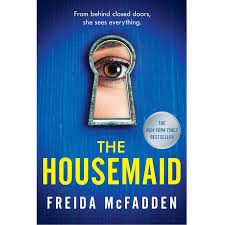
The Housemaid Store TV Series: Secrets Behind Its Dark Charm
When you first glimpse the haunting corridors of The Housemaid Store, a chill runs down your spine, and you know you’re about to step into a world where ordinary domestic duties mask something far more sinister. The series blends gothic suspense with razor‑sharp social commentary, drawing viewers into a maze of secrets that feel both intimate and unsettling. If you crave a thriller that lingers long after the credits roll, this show’s dark charm is impossible to ignore.
Why The Housemaid Store Captivates Audiences
The series instantly sets itself apart with a striking visual palette—muted tones punctuated by sudden splashes of crimson that signal danger. Each frame is meticulously composed, making the mundane, like a kitchen’s steam, feel oppressive and charged. This aesthetic not only heightens tension but also mirrors the characters’ internal turmoil, turning everyday spaces into haunting stages where power dynamics shift at a heartbeat.
Beyond the visuals, the pacing is deliberate, allowing suspense to build like a slowly tightening knot. Viewers are invited to notice subtle clues—a misplaced heirloom, a whispered rumor—before the narrative catapults into shocking revelations. This balance between slow‑burn intrigue and sudden, visceral moments ensures that every episode feels like a puzzle you can’t wait to solve.
Complex Characters and Moral Ambiguity
At the heart of The Housemaid Store lies a cast of characters whose motives are as layered as the show's intricate set design. The lead housemaid, torn between loyalty to her employers and the need to protect her own family, embodies the precarious tightrope many people walk in real life. Her choices often blur the line between victim and antagonist, prompting viewers to question who truly holds the moral high ground.
The supporting cast—ruthless employers, secretive relatives, and enigmatic strangers—each carry their own shadows. Their interactions create a web of alliances and betrayals that shift constantly, reminding us that in a world ruled by secrets, trust is a luxury few can afford. This rich character tapestry makes the series more than a simple thriller; it becomes a study of human nature under pressure.
Narrative Techniques That Keep Viewers Hooked
One of the series’ most effective storytelling tools is its use of non‑linear flashbacks, which peel back layers of history with each revelation. By interspersing past events with present tension, the show constantly reshapes the audience’s understanding of the plot, turning every episode into a fresh discovery. This technique also deepens the backstory of the housemaid’s lineage, hinting at generational curses that intertwine with contemporary dread.
Additionally, the series employs an unsettling sound design—a faint ticking clock, distant whispers, and an ever‑present hum—that acts as an auditory reminder of looming danger. Coupled with tight, cliff‑hanger endings, these elements compel viewers to binge, eager to uncover the next secret hidden behind the polished façade of the household.
Cultural Impact and Fan Reception
Since its debut, The Housemaid Store has sparked conversations far beyond typical TV talk shows. Audiences praise its daring critique of class disparity, noting how the series flips traditional power structures by granting agency to those usually relegated to the background. Social media buzz reflects a community eager to dissect theories, share fan art, and dissect the symbolism woven into each episode.
Critics have also lauded the show for its bold narrative choices, awarding it accolades for both screenplay and production design. Its success demonstrates that viewers are hungry for content that challenges conventional storytelling while delivering the thrills of a well‑crafted mystery. As the series continues to unfold, fans anticipate even deeper revelations that will further cement its status as a modern cult classic.