
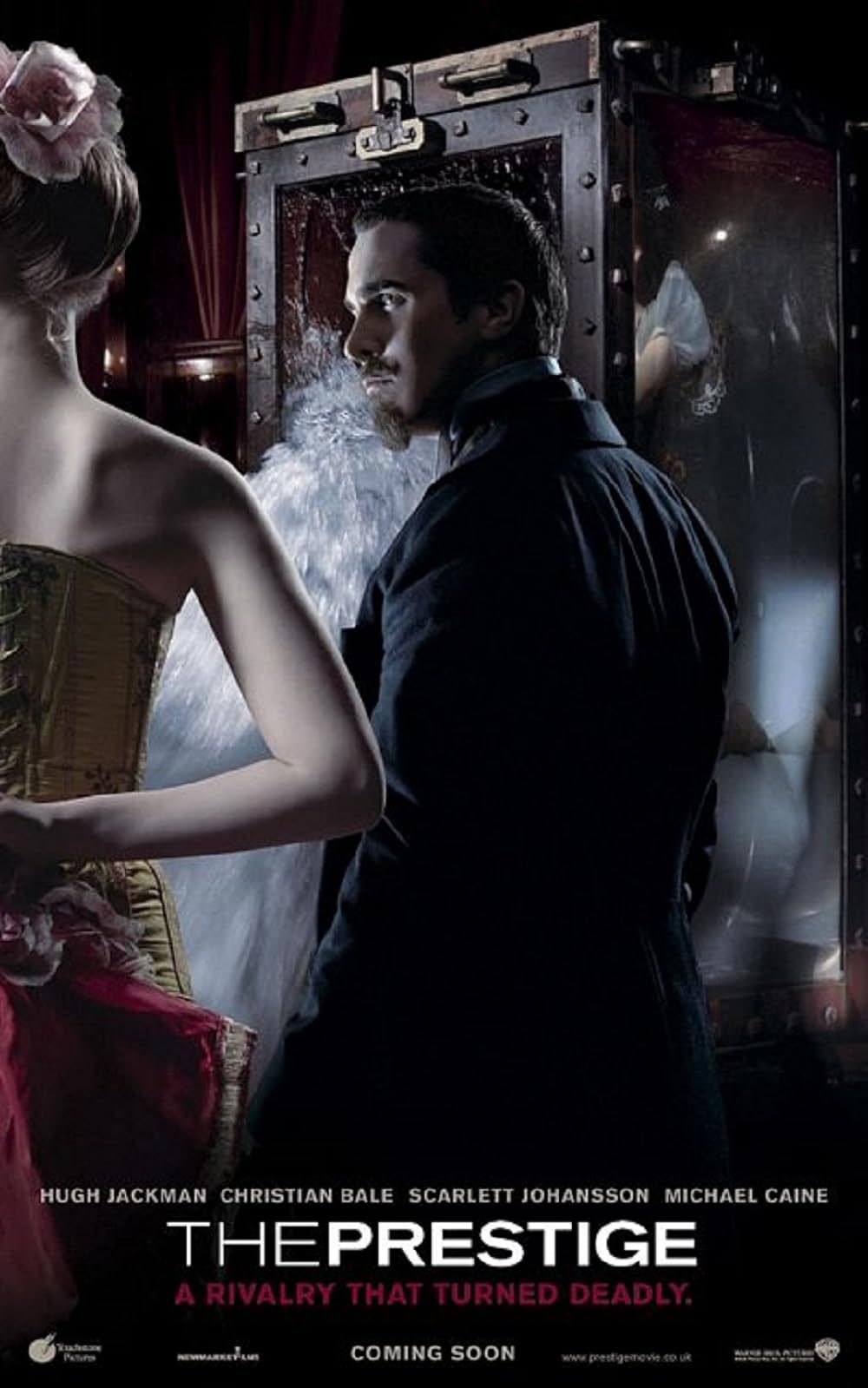
The Prestige Store: Inside the Movie’s Illusion Tricks
Step behind the velvet curtain and discover how a single set piece can bend reality for millions of viewers. In the world of cinema, few locations have sparked as much intrigue as the mysterious shop hidden in the shadows of Christopher Nolan’s “The Prestige.” This isn’t just a prop; it’s a character that manipulates perception, fuels rivalry, and anchors the film’s core theme of illusion versus sacrifice. By dissecting the tricks hidden within The Prestige Store, we uncover the craft behind the magic and why the audience never truly knows what’s real.
The Prestige Store: A Hub of Cinematic Illusion
At first glance, The Prestige Store appears to be a simple, dimly lit shop filled with curiosities. Yet every shelf and drawer is meticulously arranged to serve a narrative purpose. The narrow aisles guide the eye toward the centerpiece—a battered wooden trunk that houses an endless series of secrets. Filmmakers used this space to stage crucial moments, allowing characters to exchange hidden notes, swap dangerous gimmicks, and rehearse their most daring tricks. The design of the store itself is a study in mise‑en‑scene, where lighting, color, and spatial composition subtly manipulate the viewer’s expectations.
Illusion Techniques degradable in the Store’s Layout
The most striking illusion that emerges from The Prestige Store is the classic “misdirection” technique. By placing the most valuable items just out of clear sight, the director forces the audience to focus elsewhere, mirroring the magician’s own tactics. In one memorable scene, the camera pans over a cluttered countertop, drawing attention to a harmless glass vial while the true contraption—a complex lock mechanism—remains hidden beneath a tattered cloth. This deliberate orchestration of visual distraction creates a palpable tension that keeps viewers guessing until the final reveal.
Key Props and Their Secrets
Every prop inside The Prestige Store serves a dual purpose: storytelling and deception. The infamous “copper coil” is not merely a decorative piece; it functions as a portable electromagnet used to trigger hidden doors. Similarly, the antique pocket watch, with its intricate gears, doubles as a timing device that synchronizes two separate tricks performed on opposite stages. By embedding functional mechanisms within seemingly ordinary objects, the film blurs the line between reality and illusion, inviting the audience to question whether they are watching a stunt or a genuine magical feat.
Impact on Cinema and Audience Perception
Beyond the on‑screen drama, The Prestige Store has left a lasting imprint on how filmmakers approach the portrayal of magic. Its layered design demonstrates that a single location can become a narrative engine, providing endless possibilities for plot twists and character development. Audiences, in turn, become active participants, constantly scanning the frame for hidden clues. This heightened engagement elevates the viewing experience from passive consumption to an interactive puzzle, cementing the film’s reputation as a masterclass in cinematic illusion.
Ultimately, the power of The Prestige Store lies in its ability to embody the very essence of magic: a seamless blend of craft, curiosity, and clever deception. By studying its secrets, we gain a deeper appreciation for the meticulous art of filmmaking—a craft where every shadow, prop, and whisper can turn an ordinary shop into a portal of endless wonder.