
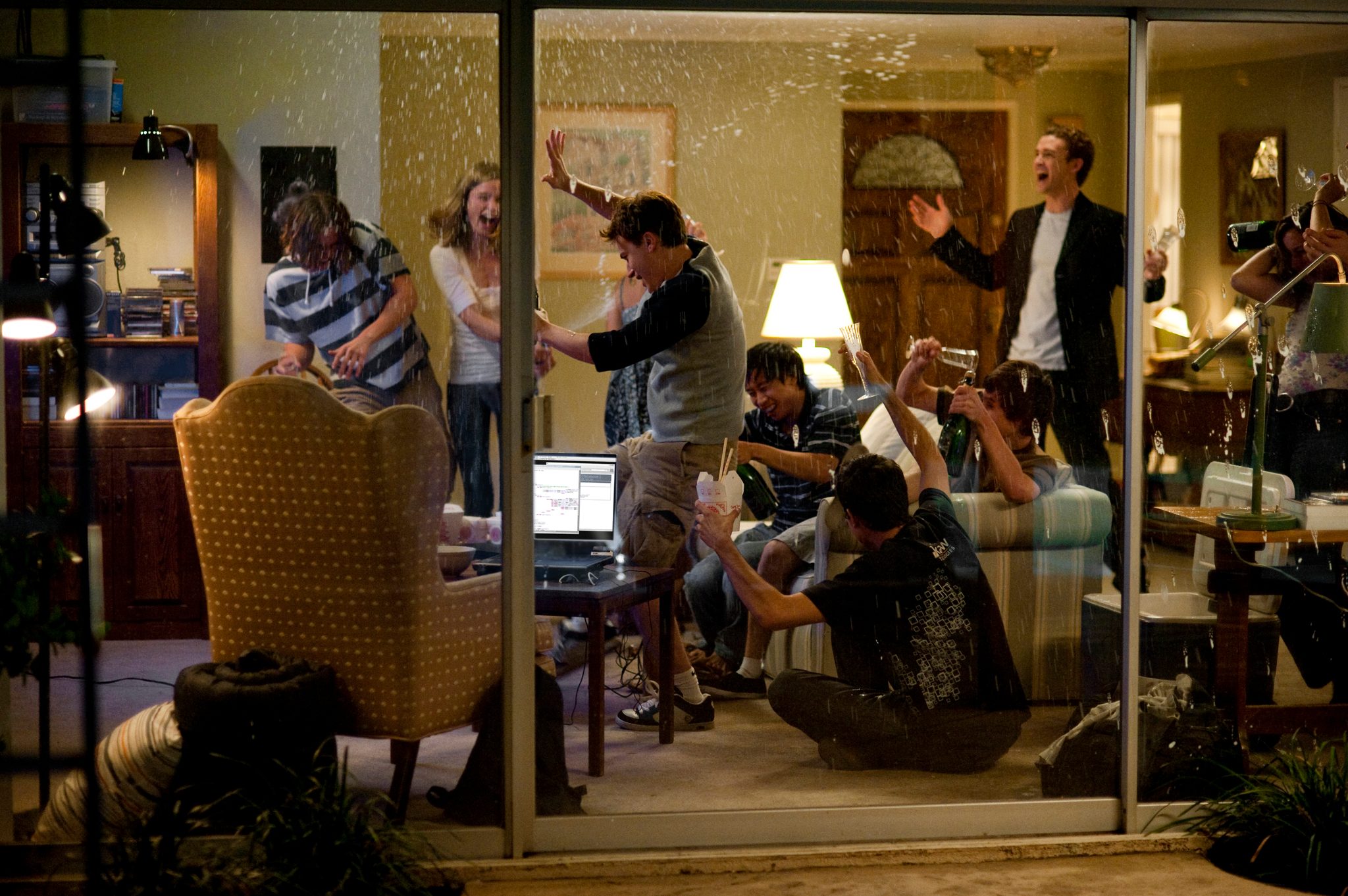
The Social Network Store: Inside the Film’s Tech Secrets
When the credits rolled on The Social Network, audiences were left buzzing not just about the drama of Facebook’s rise but also about the slick digital world that populated the film. Beneath the courtroom battles and heated dialogue lay a treasure trove of tech wizardry that turned code into cinema. In this post we’ll peel back the layers, revealing how the movie’s tech secrets—especially the iconic The Social Network Store—were crafted to feel both authentic and cinematic.
Behind the Code: Real-World Tech That Inspired the Film
Screenwriters didn’t just imagine a fictional startup; they dug into real programming languages and development tools of the early 2000s. PHP, MySQL, and Apache servers appear in background screens, grounding the story in actual tech stacks. The production team consulted engineers who could explain why a single line of code could trigger a cascade of server requests, adding credibility to every keystroke shown.
Even the visual representation of code was meticulously designed. Rather than a generic green screen of text, the team used actual snippets from early Facebook codebases, blurred just enough to avoid legal trouble. This level of detail let viewers feel the pulse of a growing platform, bridging the gap between technical accuracy and dramatic storytelling.
The Social Network Store: A Digital Blueprint
The term The Social Network Store isn’t just a catchy phrase; it represents the virtual “storefront” where characters interact with data, prototypes, and user feedback. In the film, this storefront is portrayed through sleek UI mockups that mimic what investors would see during a pitch. Designers borrowed from contemporary design systems, employing flat icons, muted palettes, and clear typography that echo early 2010s web trends.
Behind the scenes, UI/UX artists built these mockups with tools like Sketch and Photoshop, layering realistic interaction cues—hover states, loading spinners, and error messages. The result is a believable digital environment that feels both aspirational and attainable, giving the audience a glimpse into the future of online commerce.
Visual Effects and Interface Design Secrets
Creating the illusion of a living, breathing platform required more than static screens. The visual effects team used motion graphics to animate dashboards, notifications, and data flow diagrams. They employed particle systems to simulate data packets moving across a network, giving a tangible sense of activity behind every click.
Interface design also relied on subtle details like cursor animations and tactile sound cues. These seemingly minor touches amplified immersion, making a viewer’s experience echo that of a real developer watching code compile. The seamless blend of effects and design ensures that the tech never feels like a backdrop—it becomes a character in its own right.
What Filmmakers Can Learn About Tech Storytelling
The Social Network Store exemplifies how authenticity fuels narrative tension. By grounding fiction in real technology, filmmakers can craft stories that resonate with both tech-savvy audiences and the general public. Accurate depictions of software development cycles, from brainstorming to launch, provide a relatable framework for conflict.
Moreover, the film demonstrates the power of visual storytelling in tech. Thoughtful UI design, realistic code snippets, and dynamic effects transform abstract concepts into compelling visuals. Future productions can take a cue: collaborate with actual engineers, prioritize detail, and let technology itself drive drama. When done right, tech becomes more than a setting—it becomes the engine of storytelling.