
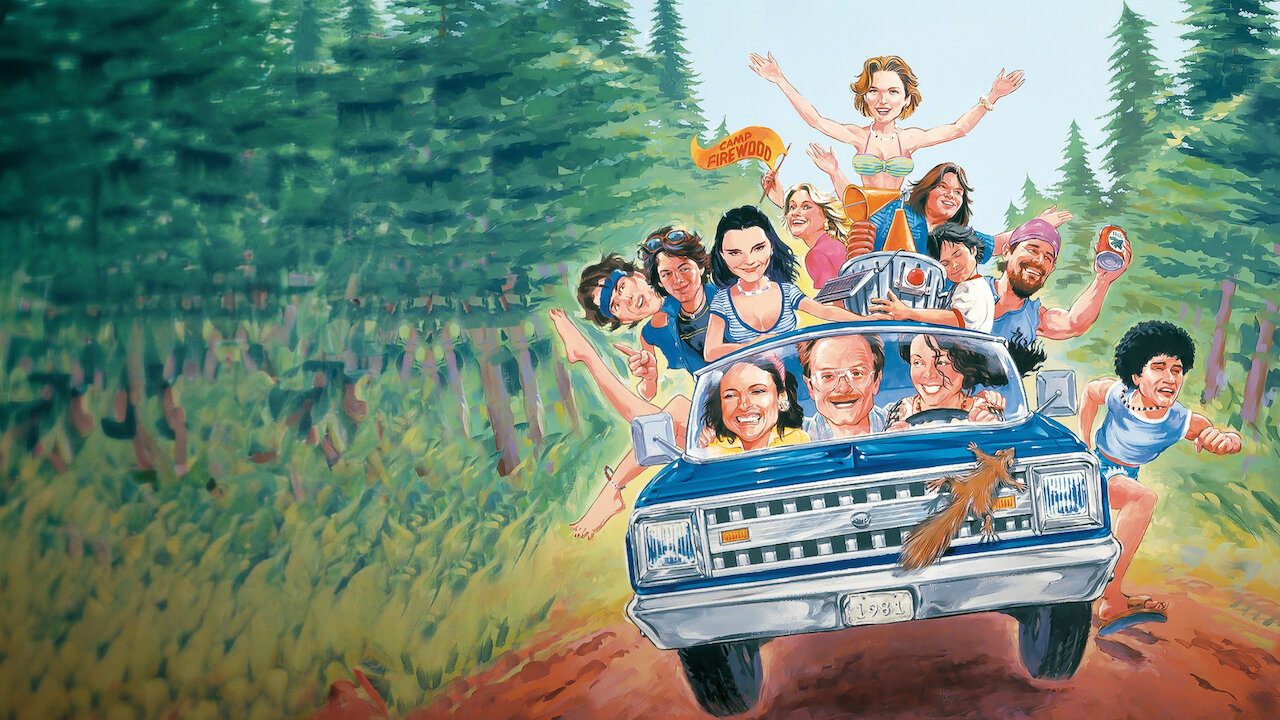
Wet Hot American Summer Shop: 5 TV Show Secrets Fans Miss
Fans of the cult‑classic series love rewatching every awkward musical number and absurd sketch, but even the most dedicated viewers often miss the hidden Easter eggs that make each episode feel like a secret handshake. From uncredited cameos to behind‑the‑scenes nods, the show’s creators packed the screen with details that only the sharpest eyes catch. Ready to discover the five TV show secrets that even superfans overlook? Dive in and see how the Wet Hot American Summer Shop inspired some of the most clever callbacks in the series.
1. Uncredited Cameos from the Original Film
When the series revived the iconic 2001 movie, many original cast members slipped back onto the screen in the most unexpected ways. Look closely at the beach party scene in the second episode—there’s a familiar face lurking in the background, playing a water‑ski instructor. He’s actually the film’s production designer, a nod to his behind‑the‑scenes contributions. These cameo appearances were intentionally low‑key, rewarding viewers who pause long enough to spot them.
Another subtle insertion is the recurring “lost tourist” character who wanders the camp. He’s portrayed by the same actor who played the diner’s dishwasher in the movie, creating a quiet thread that ties the two versions together without breaking the fourth wall.
2. Real‑Life Locations Borrowed from the Wet Hot American Summer Shop
The series’ creators wanted the set to feel both nostalgic and fresh, so they sourced décor from the Wet Hot American Summer Shop—a specialty retailer that sells replica props and vintage camp gear. The iconic “Camp Fire” T‑shirts that appear in several episodes are genuine merchandise from that shop, complete with the original logo that only true fans recognize.
These authentic pieces aren’t just throwaway props; they serve as visual anchors. When a character grabs a vintage inflatable pool float, it’s a direct reference to a similar item sold at the shop, reinforcing the show’s playful, retro aesthetic.
3. Hidden Set Designs That Mirror Classic Summer Camp Myths
Beyond the obvious references, the set designers embedded a series of encoded messages in the camp’s layout. The cabins, for instance, are arranged to form a subtle “S” shape when viewed from above—a nod to the original film’s subtitle, “Summer.” Each cabin door also bears a different color that matches a specific character’s personality arc, a detail that only the most observant fans notice.
Even the camp’s bulletin board features a collage of hand‑drawn flyers that mimic real‑life advertisements from the 1980s. These flyers were recreated using designs sold at the Wet Hot American Summer Shop, blending authenticity with fan service in a single frame.
4. Character Backstories Hidden in Props
Many fans assume that the characters’ quirks are purely for comedic effect, but several quirks are deliberately linked to props sourced from the Wet Hot American Summer Shop. The recurring “Mickey’s Mystery Diary” that appears in episode three is actually a replica of a real diary sold at the shop, complete with handwritten entries that hint at an undisclosed love triangle.
Another subtle clue lies in the recurring “golden flip‑flop” that the camp counselor wears. That flip‑flop is a limited‑edition item from the shop, engraved with a tiny star—symbolizing his hidden ambition to become a pop‑star, a storyline that never makes it to the main script but is hinted at through these small visual cues.
Conclusion: The Power of the Details
What makes Wet Hot American Summer such a beloved series isn’t just its outrageous humor; it’s the meticulous craftsmanship behind every scene. By weaving in uncredited cameos, authentic merchandise from the Wet Hot American Summer Shop, and layered set designs, the creators reward viewers who look beyond the surface. The next time you binge the show, pause and hunt for these hidden gems—you’ll discover a richer, more interconnected world that proves even the most ridiculous comedy can be a masterpiece of detail.